

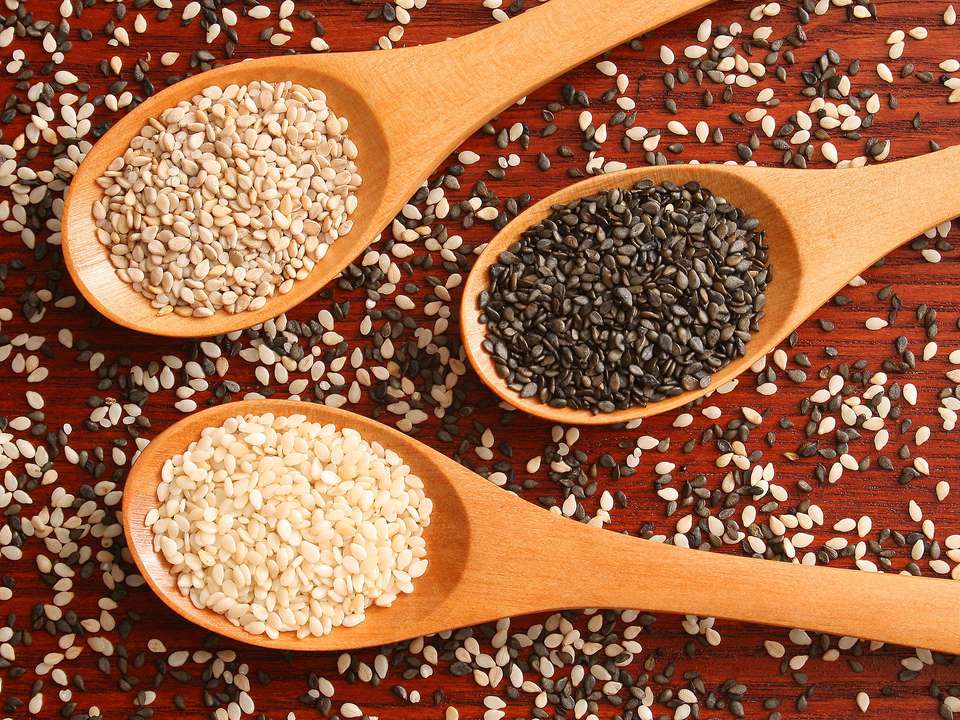
White sesame seeds for bakery and tahini, Black seeds for seasoning and medicine, and Brown seeds for oil extraction.
Sourced from Kharif and Rabi seasons in India, as well as counter-seasonal African origins (Sudan, Ethiopia, Tanzania).
Strictly cleaned to 99% min purity with maximum 1% admixture and 2% FFA, certified by SGS, RBS, or Cotecna.
Sesame (Sesamum indicum) is one of the oldest cultivated oilseed crops in the world, with a history of human use stretching back over 5,000 years. Ancient Egyptians ground sesame seeds into flour for baking, while the Chinese historically used them in the preparation of ink blocks. Today, sesame is a globally valued commodity traded across food, cosmetics, and pharmaceutical industries — prized for its rich oil content, distinctive nutty flavour, and impressive nutritional profile including healthy unsaturated fats, protein, calcium, and antioxidants.
India is one of the world's leading producers of sesame, cultivating a diverse range of varieties that vary in color - white, red, and black - with oil content ranging from 40% to 50%. White sesame seeds, known for their mild, nutty taste, are widely used in sweets, baked goods, tahini production, and confectionery applications. Black sesame seeds are prized for seasoning, traditional medicine, and premium food products. Brown sesame seeds, with the highest oil content, are primarily processed for sesame oil extraction. Hulled sesame seeds - with the outer shell removed - are a popular choice for snack coatings and garnishes.
Approximately 80% of India's sesame production occurs during the Kharif season (June-July sowing; September-October harvest), with the balance cultivated during the Rabi season (December-March). We source from India's most prolific sesame-producing states - Gujarat, West Bengal, Tamil Nadu, Andhra Pradesh, Madhya Pradesh, Maharashtra, and Rajasthan - as well as from African origins, ensuring consistent supply and broad variety availability throughout the year.
| Country / Region | Production (MT / Year) | Relative Volume |
|---|---|---|
| Myanmar | ~950,000 MT | |
| India | ~750,000 MT | |
| Sudan | ~700,000 MT | |
| Ethiopia | ~350,000 MT | |
| Tanzania | ~250,000 MT |
Figure 9 - Approximate annual sesame seed production by major origin country
| State / Region | Production (MT / Year) | Relative Volume |
|---|---|---|
| Gujarat | ~200,000 MT | |
| West Bengal | ~120,000 MT | |
| Tamil Nadu | ~110,000 MT | |
| Andhra Pradesh | ~100,000 MT | |
| Madhya Pradesh | ~90,000 MT | |
| Rajasthan | ~80,000 MT | |
| Maharashtra | ~50,000 MT |
| Origin / Region | Jan | Feb | Mar | Apr | May | Jun | Jul | Aug | Sep | Oct | Nov | Dec |
|---|---|---|---|---|---|---|---|---|---|---|---|---|
| India - Kharif Sowing | – | – | – | – | – | ✓ | ✓ | – | – | – | – | – |
| India - Kharif Harvest | – | – | – | – | – | – | – | – | – | ✓ | ✓ | – |
| India - Rabi Sowing | ✓ | – | – | – | – | – | – | – | – | – | – | ✓ |
| India - Rabi Harvest | – | – | ✓ | ✓ | – | – | – | – | – | – | – | – |
| Sudan - Harvest | – | – | – | – | – | – | – | – | ✓ | ✓ | ✓ | – |
| Ethiopia - Harvest | – | – | – | – | – | – | – | – | – | ✓ | ✓ | ✓ |
| Tanzania - Harvest | – | – | – | ✓ | ✓ | ✓ | – | – | – | – | – | – |
Third-party inspection, quality, and loading certificates are available from SGS, RBS, Cotecna, or any other desired agency upon client request.
Partner with our origin sourcing specialists for purity-tested container shipments and competitive terms.